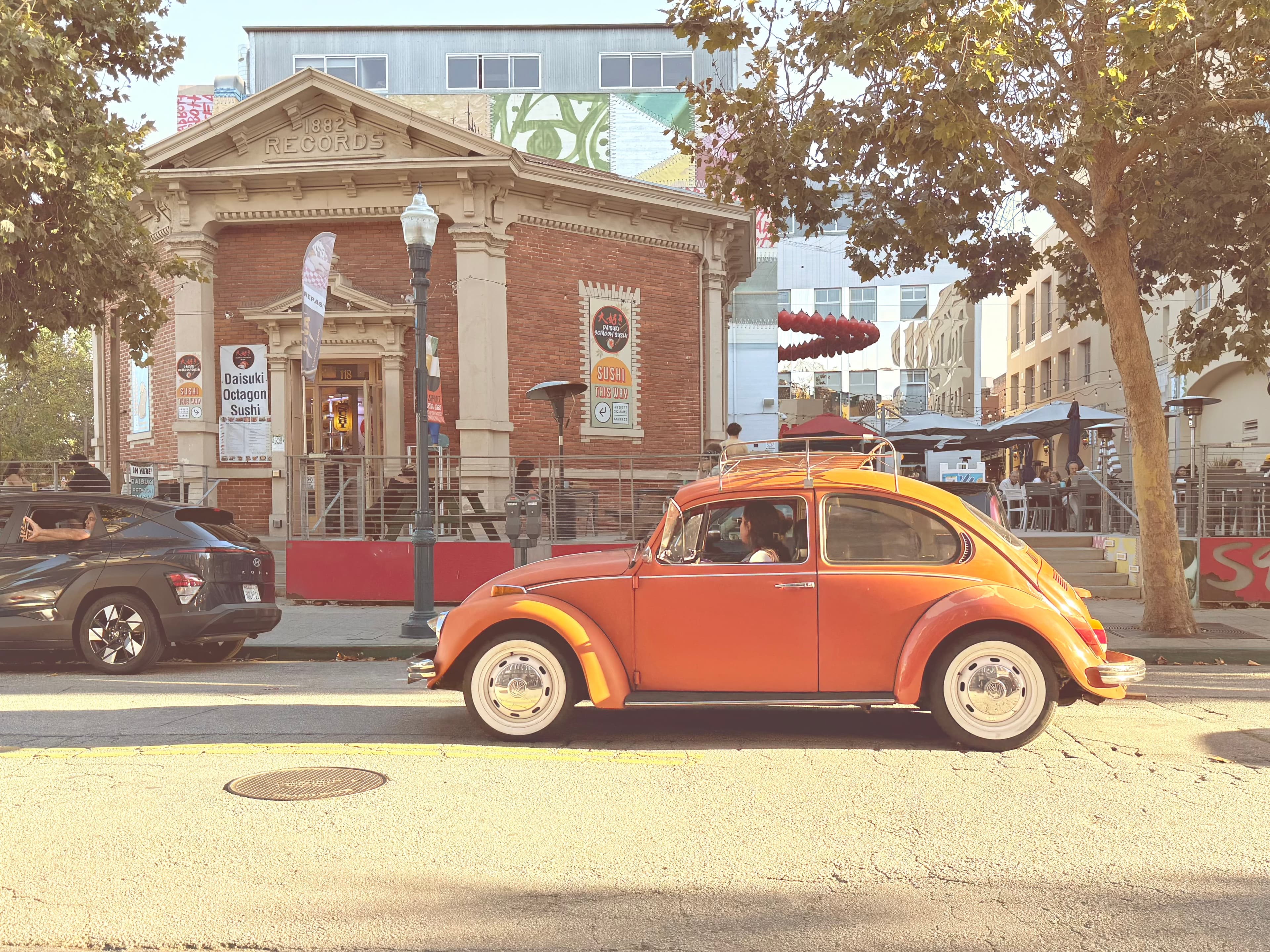
Running a restaurant in Santa Cruz is its own kind of hard. You have a summer that hits like a wave and a winter that goes quiet. You have UCSC students flooding the place from September to June, mostly on weekend nights, mostly after 9. You have tourists who want to eat at 5:30 and leave before dark. You have locals who come in on a Tuesday and want to know how your dog is.
Stack on top of that. Delivery apps take a real bite of your margin. Staff turns over. Rent is not small. The kitchen staff you trained in April might be gone by July for a job in Aptos that pays more.
There is no clean playbook that takes care of all of it. What the restaurants that hold up are doing is building a handful of simple systems that cover the predictable parts so the unpredictable parts do not break them.
Where the wheels come off
After years around small businesses on the Central Coast, the breakdowns in restaurants here tend to cluster in the same few places.
Reservations and walk-ins are managed in parallel instead of as one system. A host is looking at a tablet for OpenTable, writing walk-ins on a paper list, and trying to hold tables that somebody called about earlier. Tables turn unevenly. Some sit empty while the bar is three deep.
Delivery tickets hit the kitchen at the wrong moments. The app is a separate stream. DoorDash pings at 7:45 on a Friday, when the kitchen is already underwater, and the ticket gets treated as equal priority with a dine-in order that is three minutes late. Food quality slips on both.
Inventory lives in the chef's head. You run out of the special at 8 p.m. on Saturday, when the rush is still climbing. Monday you are staring at a walk-in full of a protein that nobody ordered because you guessed wrong about the weekend.
New server training is a shadow shift. The new hire trails Lisa for two nights. Lisa is great, but Lisa does some things Lisa's way. A week later the new server is serving tables Lisa's way, which is different from how the other three servers do it. Guests feel the inconsistency.
Seasonal staffing is reactive. You over-hire in May, cut hours in November, and lose your best people in January because they need predictable income. Then you scramble for staff in April again.
Front of house and back of house communicate through vibes. Modifications get verbal. Timing is guessed. A ticket sits in the window. A sauce is on the side that was supposed to be on top. Small stuff, repeated all night, adds up to service that feels like a scramble.
The restaurants that stopped drowning did a few specific things
None of what follows is fancy. All of it is the kind of thing you can start in a Tuesday meeting.
One reservation and floor system, not two. Pick one. Resy, OpenTable, SevenRooms, Tock, whatever fits the concept. Move walk-ins into it. Hosts stop juggling. Tables turn on a schedule you can actually see.
Kitchen display for delivery, integrated with dine-in. Third-party delivery apps can be routed through an aggregator like Otter or Chowly so the kitchen is not staring at three tablets. Tickets fire into the same display as dine-in. The kitchen can see the actual load.
On delivery margins. Those commissions are real. They typically run somewhere in the range of fifteen to thirty percent depending on the platform and the deal. You do not have to love them, but they are real infrastructure for a certain customer now, and the question is how to run them without having them eat you. Separate menu pricing for delivery is one lever. Batching delivery-heavy times is another. Putting a cap on how many delivery orders fire in any ten-minute window is a third, and most owners do not know the platforms allow it.
Inventory by day-of-week and season. A simple spreadsheet tracking what sold by day of week and time of year beats guessing. Within two months you have enough pattern to order closer to reality. Within six, your waste drops and your out-of-stocks drop. This is Kaizen, a small continuous improvement repeated until it compounds.
A real training plan, not a shadow shift. Written. A checklist for week one, week two, week three. Menu quizzes, not for the vibe but because a server who can answer a wine question is a server who sells more. A standard for how modifications are communicated to the kitchen, in writing, so everyone calls it the same thing.
Seasonal staffing that is planned, not improvised. Look at last summer's numbers. Build this summer's schedule off that. Talk to your best people in February about the arc of the year. Predictable hours retain good people. Unpredictable hours lose them to every other place hiring.
A shared language between front and back. Modification call-outs are standardized. Timing cues are standardized. The expo owns the window. When the front of house knows exactly how to talk to the back of house, the ticket times tighten up without anybody working harder.
One framework that applies cleanly
Restaurants are a Pareto business. A small number of problems cause most of the pain. If you sat down with a week's worth of complaints and a week's worth of comped meals and a week's worth of kitchen reprints, you would almost always find the same three or four things driving the bulk of it. Fix those three or four things and the operation stops feeling frantic.
The trap is trying to fix everything. Pick the top two. Leave the rest for next quarter.
Why this matters for Santa Cruz restaurants specifically
The restaurants that are still here in ten years are almost never the ones that tried to do everything. They are the ones that picked their lane, ran a tight shop, and built systems that let them be consistent across the wild seasonality this town has.
Good operations are also how you keep your vibe. Everybody says "we want to be a chill neighborhood spot." Chill is a product of competence. A restaurant where the kitchen is in sync and the floor is calm and the staff knows what is going on feels chill. A restaurant where everybody is in survival mode feels like a scramble, no matter how beautiful the room is.
Monday morning
Pick the single biggest leak. Probably reservations and walk-ins, or delivery chaos, or inventory guessing. Fix that one thing. Give it a month. Watch what the team does differently when that one friction is gone.
If you want an outside read on where your restaurant is actually losing time and money, a Flow Check is a two-week diagnostic. You get a map of the biggest operational leaks and a ninety-day plan for the first two fixes.
Also useful. The tourist season survival guide and seasonality planning for Santa Cruz businesses. Both directly apply.