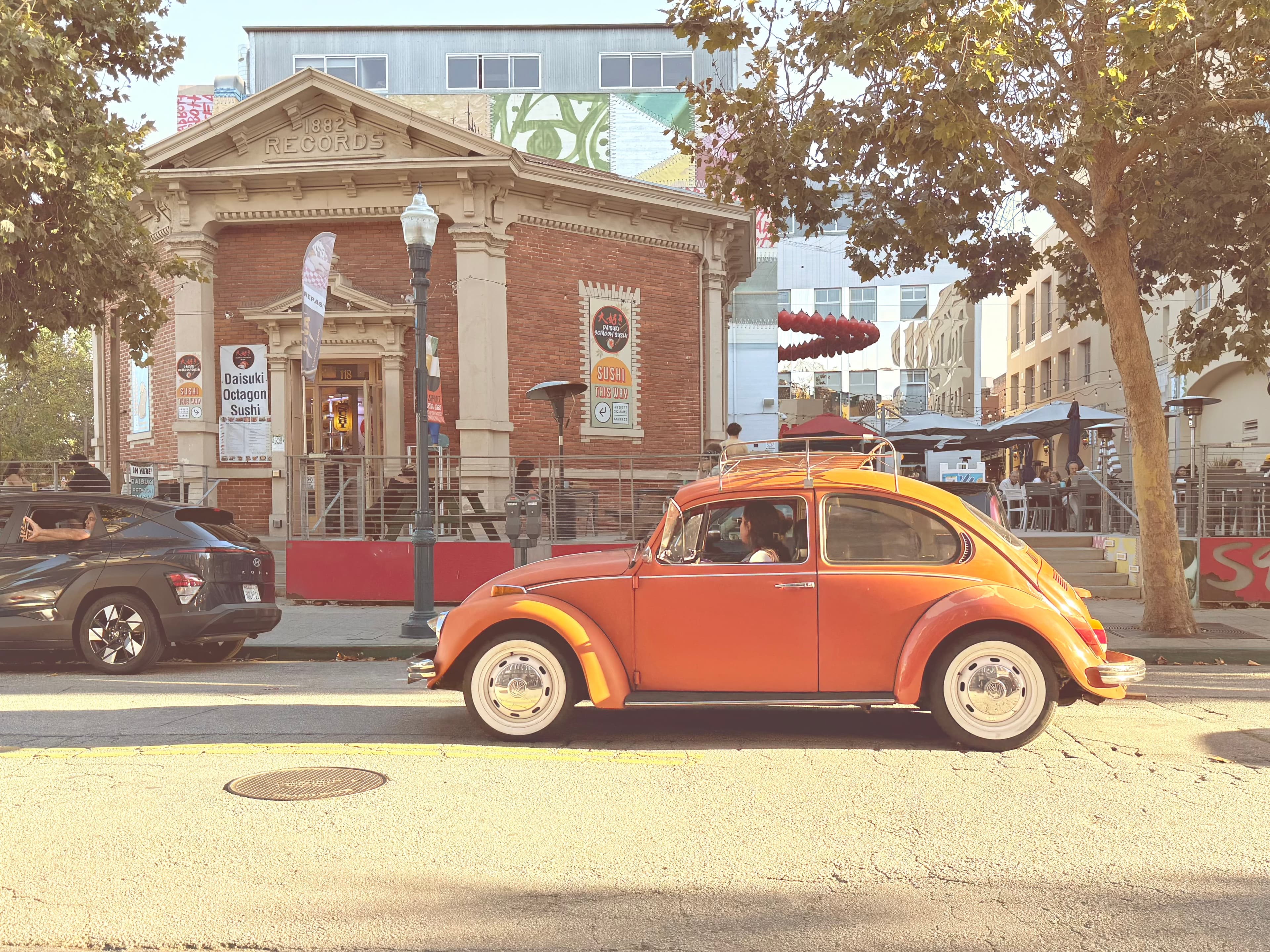
If you have a shop on Pacific Avenue or anywhere along the downtown corridor, you already know the deal. The street has a certain amount of traffic on a given day. That traffic is shared among dozens of businesses. Some days it is great. Some Tuesdays in February it is you and three other shop owners watching a tumbleweed go by.
Fighting for foot traffic as a passive strategy is exhausting, and it rewards whoever has the best window display plus the most luck. There is a better move, and it starts with accepting that foot traffic alone is not the plan anymore.
The real problem
Downtown traffic has always been a shared resource. A local owner was telling me recently that her first-floor Pacific location felt busier in the early 2010s, and honestly, the comparison is beside the point. What matters is today's reality. Certain anchors have changed. Some blocks are hotter than others. Parking is a story. UCSC's calendar moves hundreds of people in and out. The mix of tourists is different in July than in March.
Relying on the street to deliver customers means your business is tied to whichever forces you do not control. And when traffic dips, every shop on the block feels it at the same time.
The move is to build reasons that people specifically come to you, on purpose, at a scheduled time. Even if 80 percent of your revenue still comes from walk-ins, the 20 percent that comes from an intentional visit is the part that smooths out your week.
Shift from "catch the walk-in" to "create the visit"
There are a few patterns I see working for downtown Santa Cruz businesses right now.
Recurring events that have a reason to exist. Not a grand opening every month. A regular, small, well-timed thing. First Friday is the obvious one, but most shops leave it at a discount sign in the window. The ones who use it well have something specific happening. A demo, a tasting, a guest, a collab with the shop next door. Something that gives somebody a specific reason to stop in.
A real reason to book in advance. If you can add an appointment-based layer to what is usually walk-in, you shift a piece of your volume from chance to certainty. Personal shopping hours. A 30-minute consult. A make-your-own session. People who book show up with intent and spend more.
A relationship with a short list of locals, not just tourists. The steady revenue in any downtown Santa Cruz business is the local who walks past you every week. Getting their email, texting them when the new thing lands, remembering their name by the third visit. This is the thing chains physically cannot do. It is slow. It compounds.
Partnerships with neighbors. Two shops that send each other customers are worth more than one shop that tries to be everything. "If you like X, you will love what they just got in at Y." That handoff is cheap to run and it changes the unit you are operating from "me versus the street" to "me plus my block."
The Pareto lens
A small number of customers drive a disproportionate share of your revenue. Pareto. In a downtown shop this is almost always true, and it is almost always invisible. You know the faces. You would struggle to name them on a list.
Start by naming them. Literally. Open a doc, write down the 20 or 30 locals who are the core of your business. That list is more valuable than any marketing spend you will make this quarter. It is where recurring visits come from. It is where word of mouth starts. It is the anchor that makes a slow Tuesday not feel catastrophic.
The common mistake
Owners fighting for foot traffic tend to default to discounts. A 10 percent sign in the window. A flash sale email. It works for an afternoon and it trains customers to wait for discounts, which erodes your margin over time.
The other mistake is ignoring the digital side completely. A downtown Santa Cruz business that has no Google Business presence, no Instagram with current photos, and no email list is asking the street to do 100 percent of the work. Even tourists Google before they walk. If you are not visible in that first search, you are invisible to a huge chunk of the intent that is already looking for you.
Monday action
Two-part Monday.
First, list your 20 top recurring customers. Real names. If you cannot, that is your first project. Start capturing the list.
Second, pick one small, specific reason for people to come in on purpose next month. Not a sale. A reason. A demo, a tasting, a new drop, a 30-minute guest, a collab window with a neighbor. Pick one date, one reason, one short note you can send to your list and post on your socials.
Run it. Count the visits that came specifically for the event. You will learn more from that one Tuesday than from six months of hoping traffic picks up.
If you want an outside eye on how your shop is set up to convert street traffic and intent into actual repeat customers, a Flow Check is a two-week diagnostic that covers the full path from "walks by" to "comes back monthly." You come out with a short list of fixes and a reason-to-visit plan you can actually run.