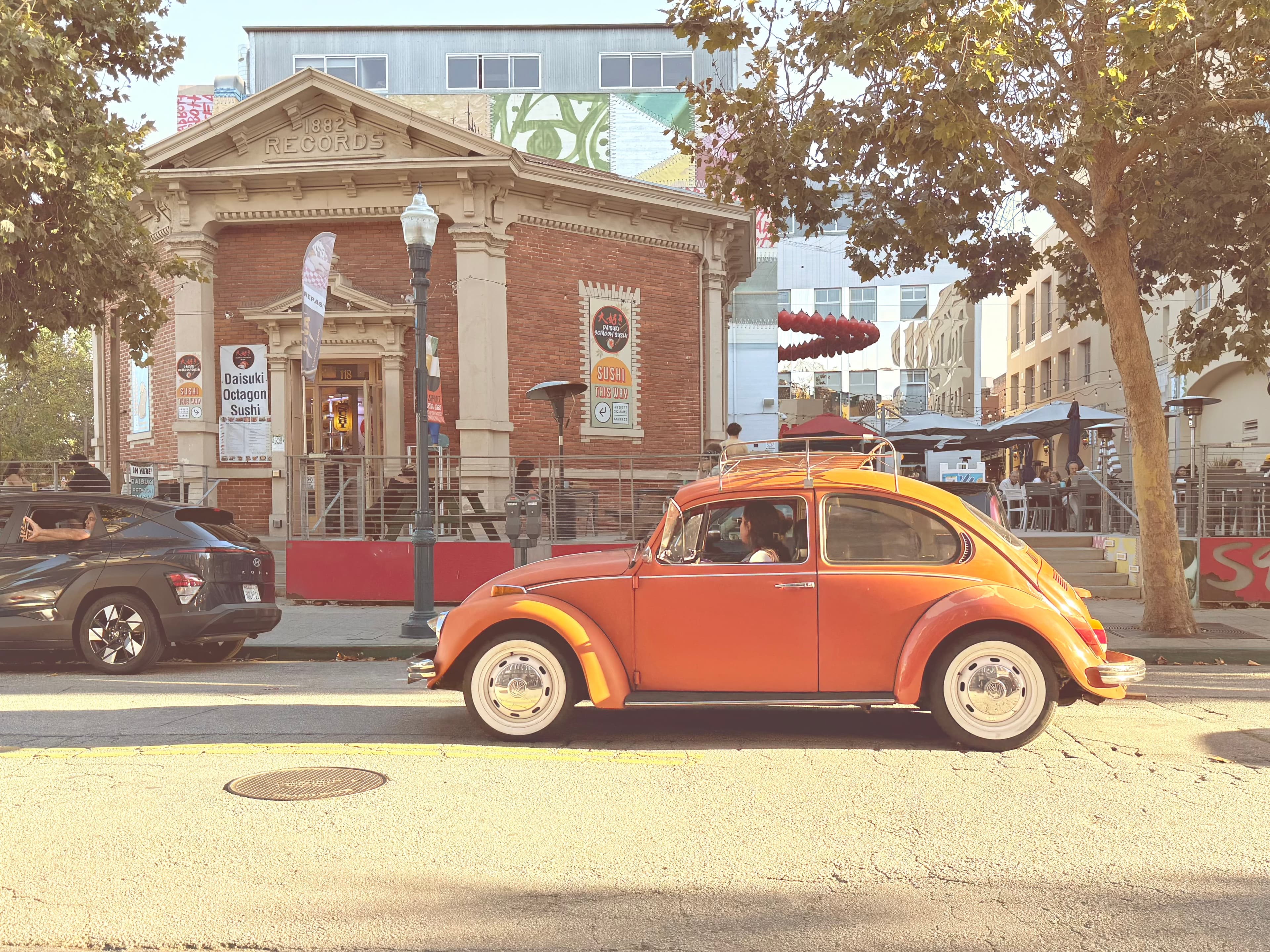
Summer in Santa Cruz is loud and profitable. Tourists fill the boardwalk, the wharf, the downtown blocks, and your register. Then October comes, the crowds thin out, and the question shows up in sharper relief. Who is coming back now?
The answer is locals. They are the ones who get you through the slow months. They are also the ones who decide whether your business is a story the town tells itself, or just another storefront that came and went.
Local loyalty is not a discount card. It is built slowly through a set of small, repeated choices that add up to locals feeling like your business is theirs. Here is what that actually looks like in practice.
The split in what tourists and locals want
A tourist wants a nice experience, a story to bring home, and something Instagrammable. They are not coming back for a year, maybe ever. Price is less of a concern. Novelty matters.
A local wants consistency, recognition, fair pricing, and the sense that you are part of the community. Your tourist prices matter less to them than whether they feel remembered when they walk in. Flashiness matters less than reliability.
If you build the whole experience for the tourist, the local feels slightly used. Like they are paying tourist prices and getting tourist treatment in a place they show up weekly. That is a slow leak.
The businesses that last build for locals first. The tourists get great service because the core is solid, not because the core is designed around them.
What "built for locals" actually means
Consistency. Same quality, same prices, same experience, whether it is a sunny August Saturday or a rainy Tuesday in February. Locals notice inconsistency before tourists do because locals have a baseline.
Recognition. You or your staff know them by something. Their name, their usual order, the dog they bring, the fact that their kid just graduated. The effort to remember shows up in how welcome they feel.
Fair pricing. A locals-only price or a quiet locals discount tells the community you are not extracting. You do not have to scream about it. You can just honor it quietly when it applies.
Community contribution. The youth sports team you sponsor. The school fundraiser you donate to. The beach cleanup you show up for. Visible presence in community life over time is a bigger loyalty builder than any campaign.
Local hiring. The team is people who grew up here, or have lived here for years. When locals come in and see their neighbor's kid working the counter, the feeling is different.
Longevity. You have been here for four years, for ten, for twenty. That alone builds a kind of trust. "They are not going anywhere" is a reason to invest in a relationship.
Values. If you can honestly say something about how you source, who you employ, what you stand for, and have that be actually true, it is a moat.
A locals program that is not just a punch card
The punch-card version of local loyalty is not nothing, but it is not enough. What I have seen work is some version of the following.
A tiered structure where your most engaged locals get treated differently. Not necessarily with a bigger discount. With early access to new items, a preferred seat, a Christmas card, a free coffee on their birthday. Small signals that they are recognized.
Members-only moments that happen during slow times, not peak. A First Friday event for regulars. A "last Saturday of the month" breakfast where the menu is only for locals. Preview access before a new service launches. Pick one or two a year. Make them good.
Community currency where a portion of what regulars spend can go to a local cause they choose. That pattern has been successful for a number of small businesses because it reinforces the business is part of the community, not just extracting from it.
Referrals that feel like a favor, not a transaction. "Bring a neighbor, both of you get something." Your locals are your best marketing. Let them bring their people in without making it feel like you are using them.
None of this is complicated. All of it requires the operational side to actually work. The systems to remember who a local is. The team habit of saying "welcome back" to the right people. The point-of-sale that tracks a locals program without being clunky.
Small interactions matter more than programs
I will be blunt. A great locals program cannot save a business that treats individuals poorly. And a business with no program but excellent individual treatment wins loyalty anyway.
The bar is this. A regular walks in. Someone on your team knows them. Asks about the thing they mentioned last time. Offers the usual. Notices if they seem off. Sends them home with a small thing that was not asked for.
That is the unit. A hundred of those in a row is a loyal customer. A thousand of those is a local institution.
To make it happen consistently, you need two things. A team trained to pay attention and permitted to take a small amount of initiative. A system (POS notes, a simple CRM, a notebook under the counter) that holds the details so the fifth person on the team knows what the second person already learned.
Most small businesses under-invest in both of these. It is the area where a Flow Check or a Vibe Partnership tends to find the most room to grow.
Using winter on purpose
Summer you are slammed. Winter is when loyalty is actually built, because winter is when you have time.
Use the slow season to deepen relationships. Invite feedback. Ask regulars what is missing. Host a small community thing. Send a newsletter that is not a promo but an actual update on what you are thinking about for the year. Test a new item with the regulars first.
The pattern I see in businesses that thrive through multiple winters is that they treat the off-season as investment, not punishment. The customers you deepen with in January are the customers who pay your rent in July.
Measuring without making it creepy
A few numbers are worth watching. Percentage of revenue from repeat customers. Frequency of visits from your top regulars. Ratio of locals to tourists in winter vs. summer. Referrals that come in from existing regulars.
None of these require a fancy dashboard. A monthly review with your POS data and your own memory gets you most of the way.
The real test, though, is the one you cannot put a number on. Could your business survive a bad tourist season? If the honest answer is "barely," you have not built enough local base yet. Keep working.
The whole point
The businesses that become part of Santa Cruz are not the ones that show up loudest. They are the ones that locals feel ownership of. "Our coffee shop." "Our gym." "The place we always go." That kind of belonging is built in a thousand small acts, not in a campaign.
If you want help building the systems that let your team do the small acts consistently, that is the kind of work a Flow Check can map. And for the seasonal planning side, the creating year-round revenue streams and seasonality piece are good follow-up reads.