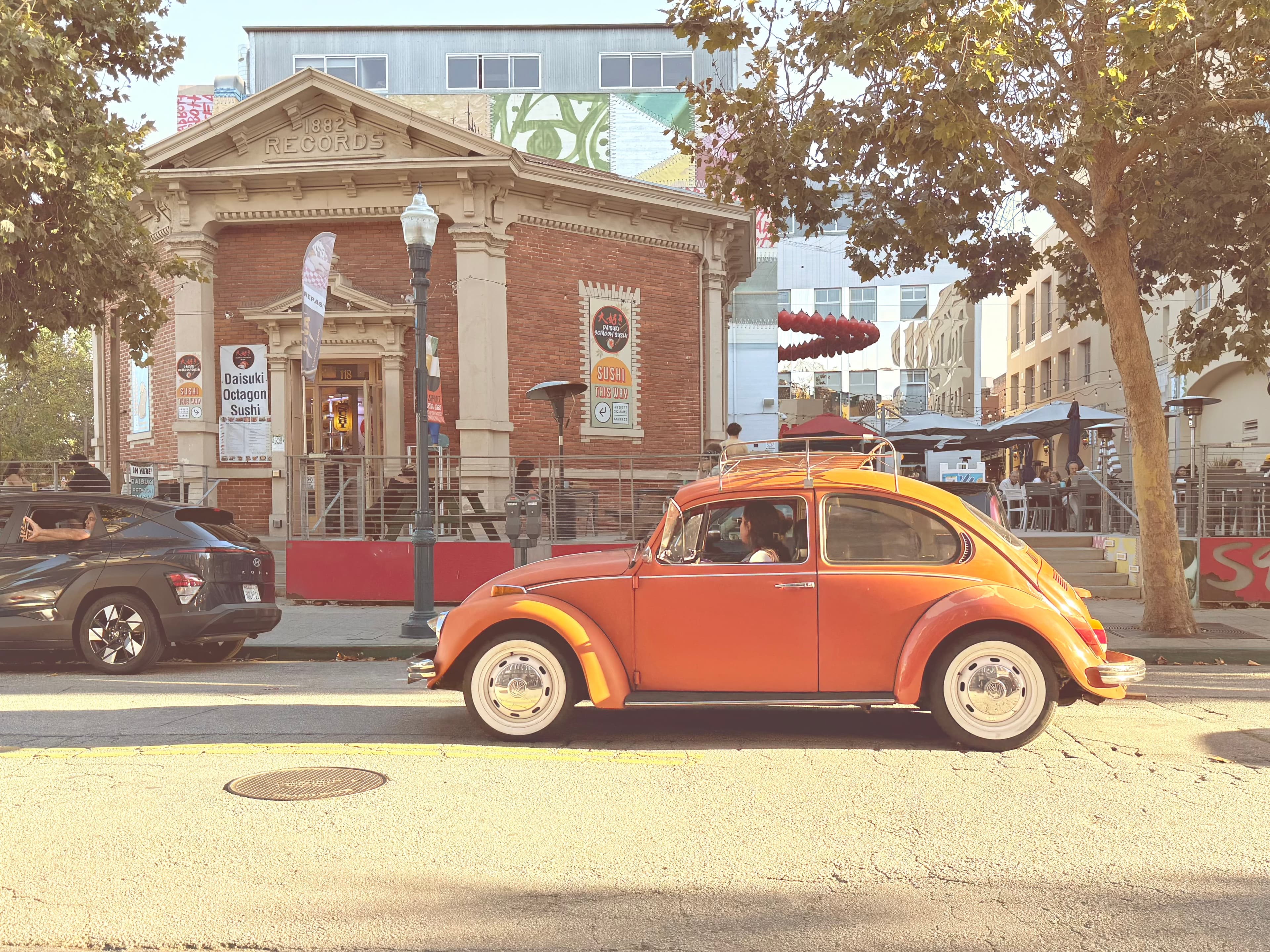
You are open. The shop next to you is dark because the owner took a long weekend. The cafe across the street has a handwritten sign saying "back at 2." Google Maps says the bookstore closes at 6. The door says 4. A tourist walks down Pacific, sees three out of five storefronts closed at 2pm on a Tuesday, and wanders back to their car.
You did your part. Your hours are posted, your lights are on, your team is ready. But your foot traffic is getting hit by what everyone else on the block is doing, and you cannot make them change.
This is a real problem, not a vibe. And the fix is not waiting for your neighbors to get their act together.
What actually happens in a customer's head
The first time someone comes downtown and finds a bunch of businesses randomly closed, they are mildly disappointed. The second time, they start to expect it. By the third, they stop making special trips. They will come if they are already in the area for something else. They will not come because they wanted to shop downtown.
You are now operating in a district that has a reputation for being unreliable, which drags on every business on the block, including the ones with consistent hours. That is the part that gets owners stuck. You are doing the right thing and still suffering the cost of what other people are doing.
Which means your real strategy is not to fix the block. It is to become less dependent on what the block is doing.
Be the anchor
If you are the one business that is reliably open when customers expect you to be, you eventually become the reason people come to the area at all.
That requires a level of boringness most owners do not quite embrace. Posted hours, actually honored, in every place a customer might look. On your door, on Google, on your site, on your Instagram bio. Same hours every week. Even on slow days.
When you have to close for something, announce it in advance. "Closed Saturday for a private event. Open as normal Sunday." The surprise closure is what erodes trust. The planned one barely registers.
Over months, you become the business people can count on. "I know this place is open. If anything else is open while I am there, bonus." That is the mindset shift you are trying to engineer.
Capture the spillover
When your neighbors are dark, customers who came for them end up in front of your store. That is a real opportunity if you are set up for it.
Make it easy to see you are open. Lights on. A clear "we're open" sign. If there is a sidewalk A-frame that is allowed in your area, use it.
Broaden what you carry, where it makes sense. If the cafe next door closes at 2 and tourists want a late coffee, and you already have the equipment, sell coffee. Do not remake your business, but notice the gap and see if any of it naturally belongs in your operation.
Be gracious to the displaced customer. "They're closed today, but if you're looking for X, we have something close." You gain a customer. You also become the business in the district that people remember as helpful.
Build a customer base that does not depend on walk-bys
The real long-term protection against inconsistent neighbors is not needing the neighbors' traffic.
An email list is the boring answer that still works. Collect addresses. Send a monthly or weekly short update. New product, upcoming event, a small useful thing. Over a couple of years, you have a few thousand people who know about you directly and come in because you told them something interesting.
A small loyalty program. The mechanics do not have to be clever. Buy a punch card, get a stamp, redeem after some threshold. The effect is that customers come specifically to see you, not because they happened to be walking by.
Events. A monthly workshop, a regular tasting, a book club, anything that gives someone a specific reason to show up. The events fill the space when walk-in traffic is thin, and they build relationships with regulars.
Social media that is actually useful, not just a product photo every other week. A short behind-the-scenes glimpse, a heads-up about a new item, an honest mention of what is seasonal right now. People follow businesses whose feeds feel human and come in when something they saw catches their eye.
Over a year or two, you build a base where fifty or sixty percent of your revenue comes from people who came specifically for you. Inconsistent neighbors stop being able to hurt you.
Coordination, if you can get it
If you can pull a few neighbors together, the effort pays back for everyone.
The simplest version is a monthly coffee. Five or six businesses on the same block, thirty minutes, once a month. Agree on minimum shared hours. Agree to give each other a heads-up about planned closures. Cross-promote each other on social. Point customers at each other when one of you cannot help them.
A more formal version is a merchants association or business improvement district, if something already exists in your part of town. They have varying levels of energy, but even modest participation gets you in the room where coordination happens.
Joint events are powerful because they create a financial reason for everyone to be open. First Friday with extended hours. A shop-the-block passport with stamps. Those only work if people are actually open, which motivates cooperation better than a speech at a meeting.
Realistically, not every neighbor will come to the table. Some owners are struggling, some are checked out, some just do not want to coordinate. Work with the ones who will, and stop expending energy on the ones who will not. A few reliable businesses on a block can change the feel of that block over a year or two, even if the holdouts keep doing their thing.
When none of it is enough
Sometimes you are in a dying micro-district and no amount of effort on your part is going to change that. The honest move then is to reconsider the location.
Moving is hard. You lose some regulars. You spend money on build-out. You sit through a ramp-up period in the new spot. But if your current block is quietly bankrupting you, staying is worse.
Or, go less dependent on a physical street. Appointment-based models, online-first with local pickup, a smaller retail footprint with stronger online fulfillment, a move toward wholesale or B2B revenue. There are a lot of shapes for a business that is tired of betting on walk-by traffic.
None of those are failure. They are the same adaptation that every business on the coast has been making in some form for the last decade.
Monday
One move. Post your hours everywhere a customer might look, and commit to honoring them for the next ninety days. Announce any planned closure at least two days in advance. Notice whether your regulars start mentioning it. They will.
Then start a coffee with one neighbor you trust. Not a committee. Just one person. See what coordination looks like with a single partner before trying to organize the block.
If you want a look at where your foot traffic dependencies are and what you could build to reduce them, a Flow Check covers that. Two weeks, an honest picture, and a short plan. </content> </invoke>